
Weathering the Weather. How unusual climate patterns affect miscanthus & haylage and how we work to protect future yields
Across the UK, weather patterns are becoming increasingly unpredictable. Temperature swings, prolonged dry spells, heatwaves, intense rainfall, and waterlogged fields are now part of the seasonal farming landscape. These extremes affect every grower and they certainly impact the crops that become our range of bedding and haylage.
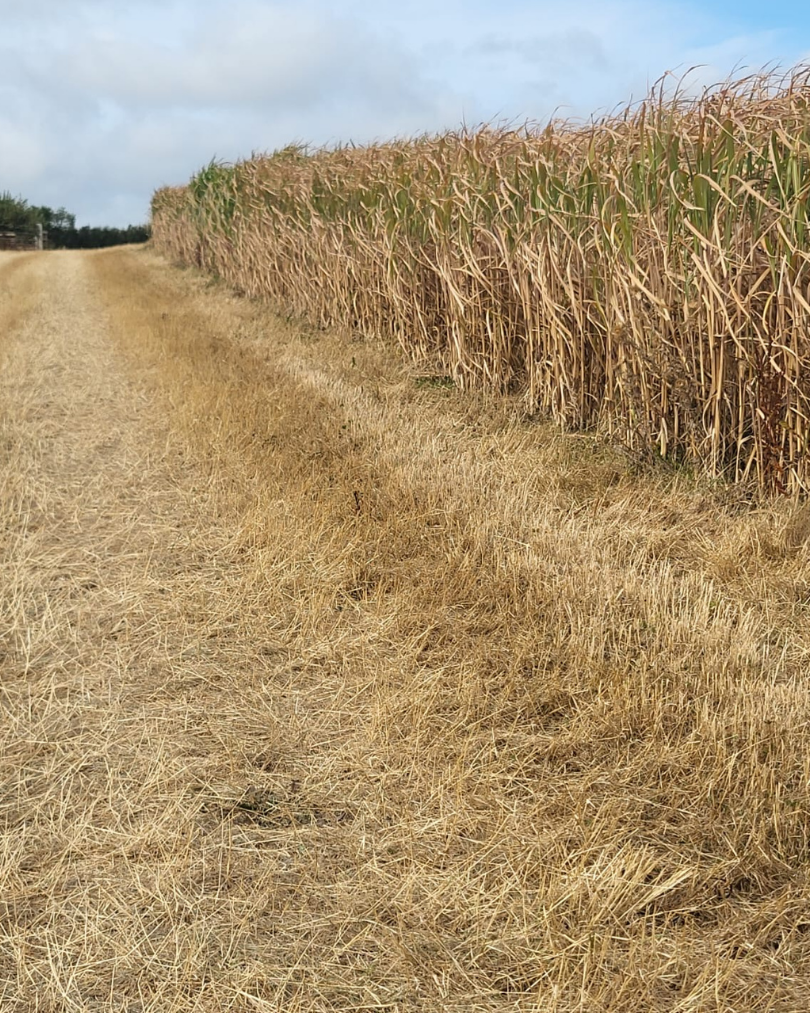
Photo from August 2026 - both the grassland and miscanthus is drying up, the growth has stalled which may impact future yields
Unpredictable weather doesn’t mean unpredictable products. By combining resilient crops, regenerative land management, and complete control over harvest and production processes, we do our best to safeguard yields and maintain the consistency horse owners expect from Burlybed and Burlybale.
Miscanthus
Miscanthus is one of the most environmentally beneficial crops grown in the UK. Its deep root systems, perennial growth cycle, and low input requirements make it naturally resilient but even resilient crops feel the impact of extreme weather.
In heatwaves and periods of drought the rhizomes of miscanthus help access moisture. Growth may slow down in prolonged heat which can affect early‑season development in a warm and dry spring. Dry conditions later in the season through winter can influence the timing of harvest.
In unseasonably wet weather miscanthus remains resilient but if the fields are too wet, harvest can be delayed, not because of the crop but because machinery cannot safely access saturated fields. If the crop is harvest in wet conditions then additional support may be needed for drying which is important producing clean and effective bedding.
Miscanthus is incredibly hardy, very fast growing and brilliant capturing and storing carbon, it can withstand these extremes but it is critical that the land is respected, and wet weather often demands patience.
Protecting Yields
We work hard to maintain consistently high quality bedding year after year. There are many aspects we focus on, including:
Soil structure and organic matter:reviewing each block of land and planting the best crop for the land, working to improve soil structure and quality.
Careful field access planning: Particualrly wet weather means considering the balance between getting on the fields to harvest versus the risk of compaction and any potential long‑term impact to future yields.
Adaptive harvest: All we can do is respond to real‑time conditions rather than working to a fixed plan. We can’t control the weather but we can be as flexible as possible, looking at long-term forecasts and creating a adaptable plan.
Long‑term management: We work to ensure our miscanthus crops remain productive for decades despite variable seasons with careful management of new planting. This approach ensures our crops remain as resilient as possible even in challenging seasons.
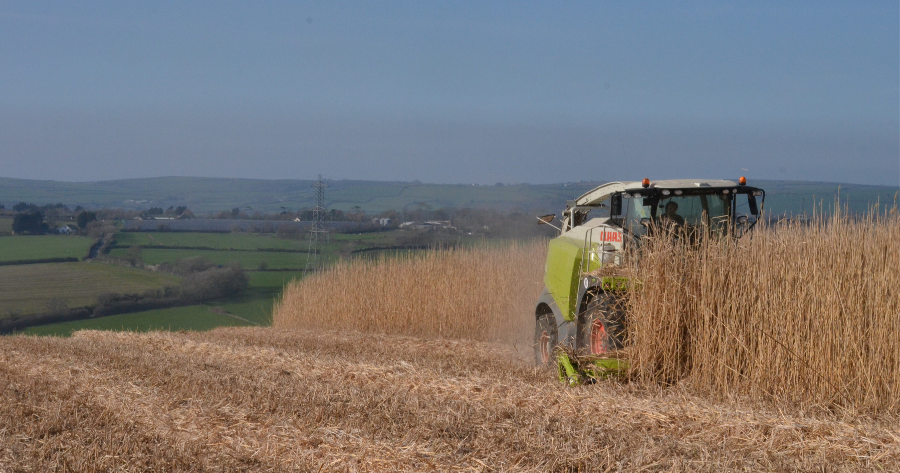
Haylage Production
Producing high‑quality haylage requires quality growth, flexible timing and accurate moisture control. Weather extremes both hot and dry or wet can complicate this process.
In periods of hot weather: Grass can mature quickly and this can impact nutritional value, rapid wilting makes moisture control more difficult and drought stress can reduce yield and fibre quality.
In periods of prolonged rainfall: The window we have to cut the crop becomes much narrower and harder to predict. Storms can flatten leys, reducing yield and making cutting challenging and periods of high humidity can affect fermentation and preservation.
We work hard to protect and maintain the consistent quality of Burlybale haylage and this is done in a number of ways:
We have sown specifically selected varieties of grass leys to ensure the best quality forage whilst being resilient and well suited to variable UK weather. We work with very flexible cutting schedules based on field and crop conditions not fixed dates. We monitor moisture levels closely to ensure safe fermentation and protect our finished product after processing with robust, recyclable packaging.
The result is haylage that stays sweet‑smelling, clean, nutritious, and dependable.
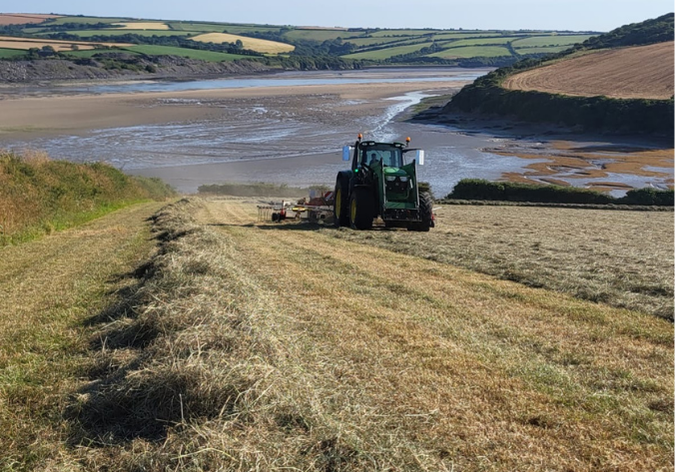
Sustainability is the key to long term resilience.
In recent years we have experienced extreme weather conditions from incredibly wet to unseasonably hot and dry. This is why sustainable farming matters. We have built environmental responsibility into every aspect of our business.
We grow, manage and process over 1100 acres of carbon‑negative miscanthus, which actively sequesters CO₂.
We continue to invest in renewable energy to power our production.
We are enhancing biodiversity across the farm through hedgerows, wildlife corridors, and regenerative practices.
We use recyclable LDPE packaging with a portion of recycled content to ensure our products to maintain their consistent quality.
All of these choices help to strengthen our resilience and protect the future
Regardless of what the seasons throw at us, our commitment remains the same. We’ll keep investing in regenerative and sustainable farming practices and innovative production methods. Our goal is simple: to protect the environment, secure strong yields,and ensure that horse owners can rely on Burlybed for years to come.